


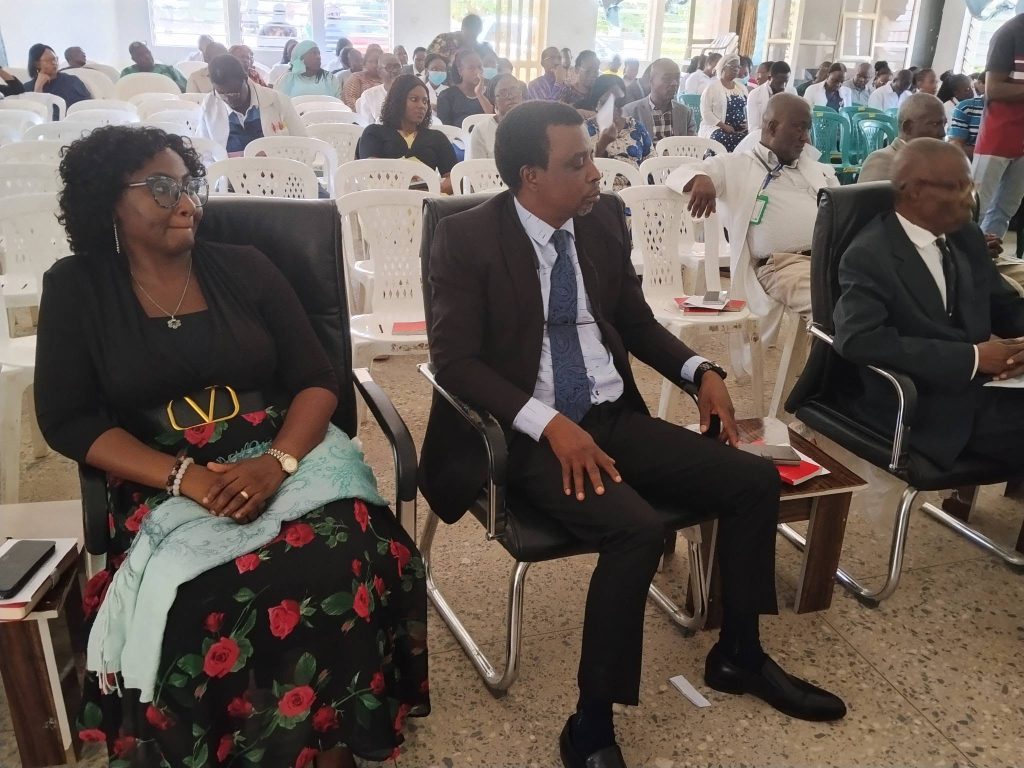
Bingham University Teaching Hospital (BHUTH), Jos recently hosted its 10th Lecture Series, focusing on the critical subject of Ebola Virus Disease (EVD) and the importance of preparedness in preventing and responding to outbreaks.

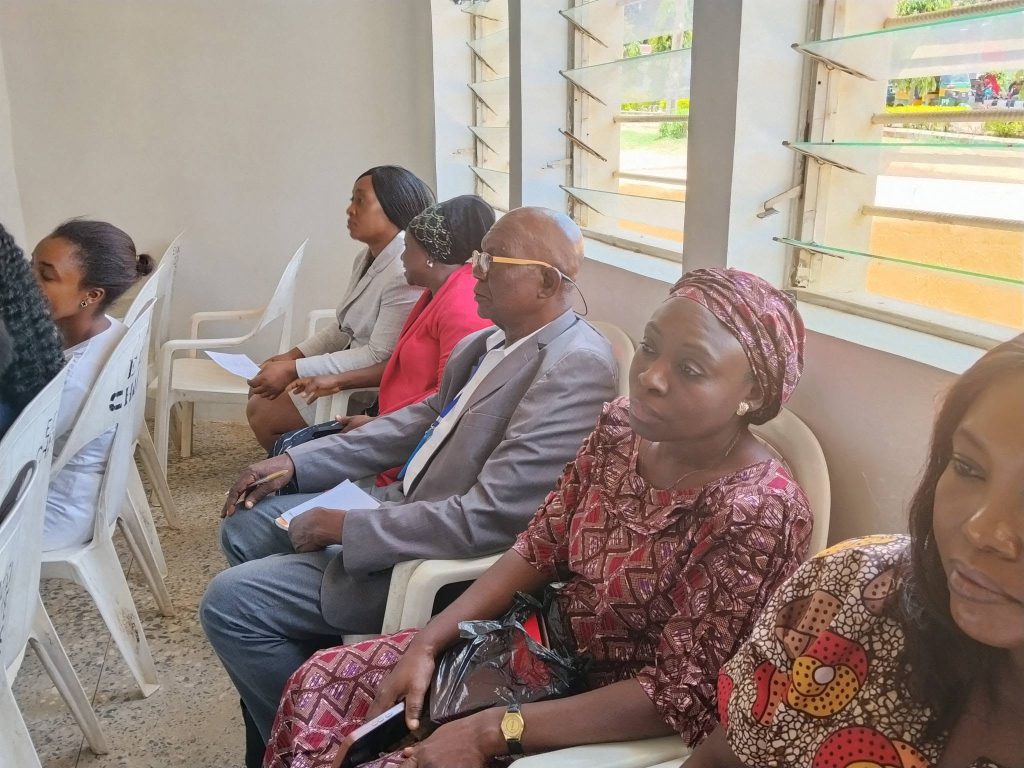
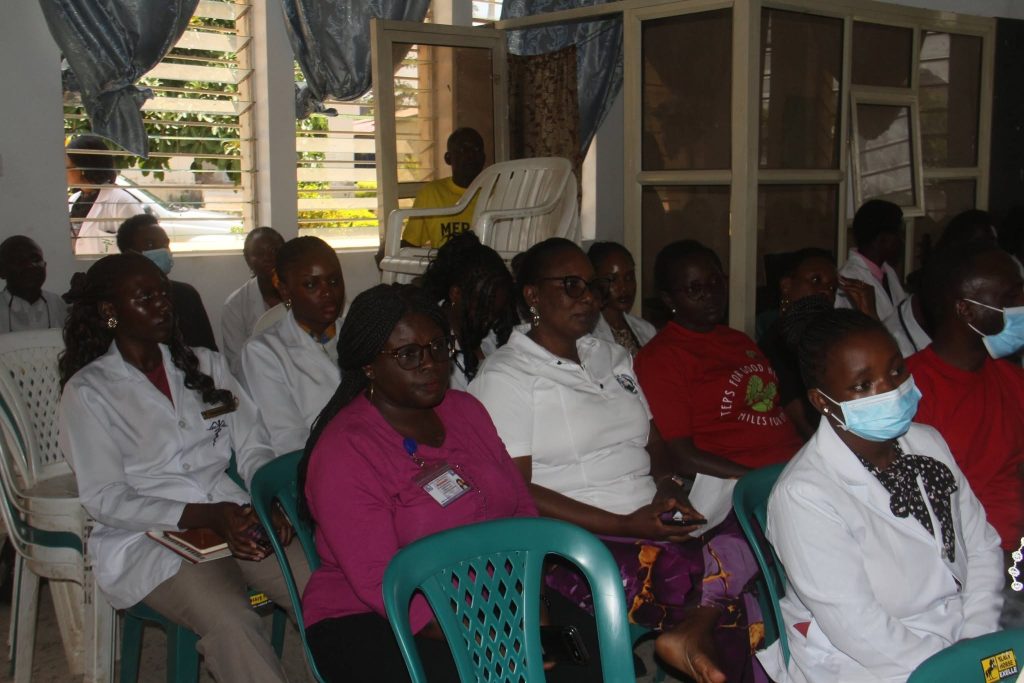
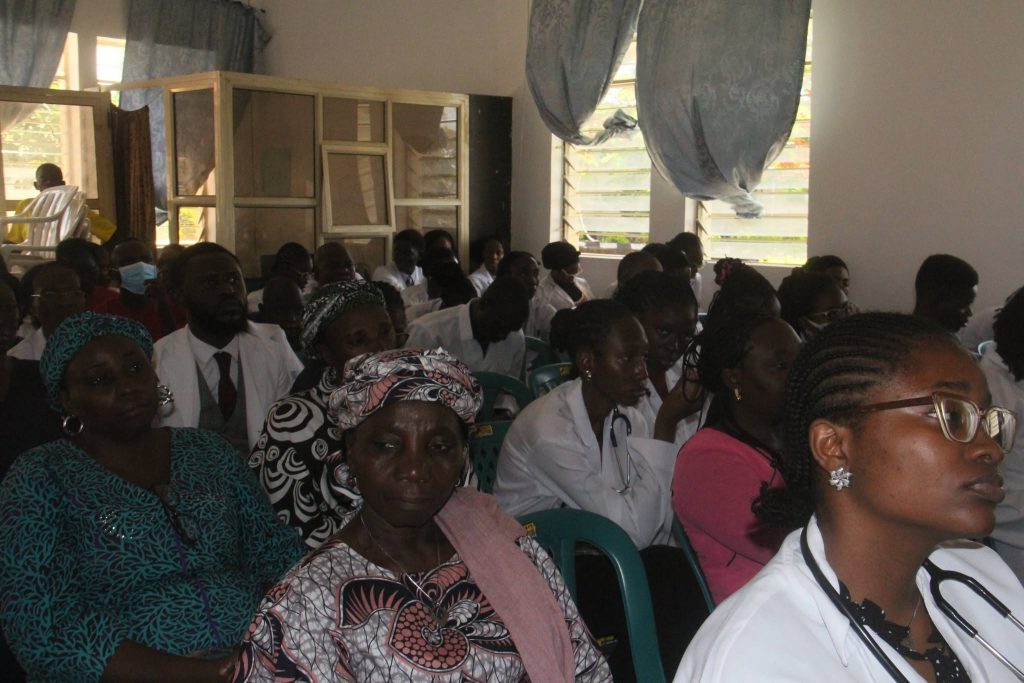
Some key takeaways from the lecture include:
 Ebola outbreaks can occur at any time, but environmental and seasonal factors may influence disease patterns.
Ebola virus disease is caused by different species of the Ebola virus, including the Zaire, Sudan, and Bundibugyo strains.
While approved vaccines exist for certain strains such as the Zaire Ebola virus, vaccine development continues for other strains.
Ebola is a severe disease that spreads through direct contact with infected body fluids and contaminated materials, making early detection and prevention crucial.
Initial symptoms often resemble common illnesses, which can delay diagnosis and increase the risk of transmission.
Failure to recognize and respond promptly to cases can amplify outbreaks within healthcare facilities and communities.
Population displacement, refugee movements, and cross-border travel can contribute to the spread of the disease across regions.
Combating misinformation and building public trust are essential pillars of effective outbreak preparedness and response.
Preparedness is not the responsibility of health workers alone—it requires the active involvement of government, institutions, communities, the media, and every citizen.
An outbreak anywhere is a potential threat everywhere in our interconnected world.
 The central message of the lecture was clear: Preparedness saves lives.
As a leading institution in healthcare delivery, training, and research, BHUTH remains committed to strengthening epidemic preparedness, promoting public health awareness, and supporting efforts to safeguard our communities from emerging infectious diseases.